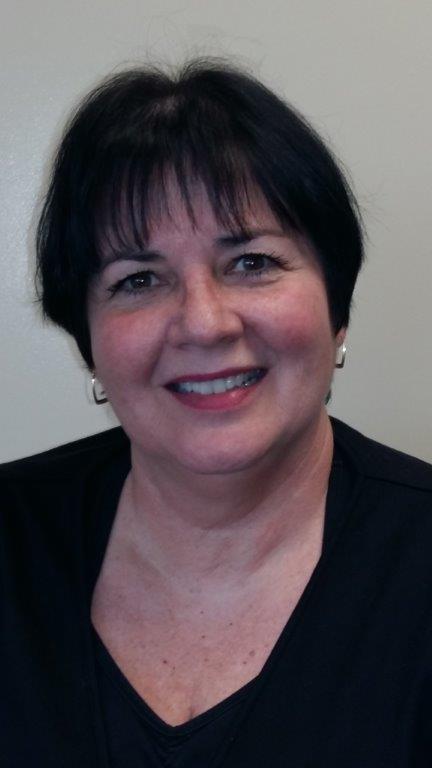
Patricia has been employed as the Emergency Manager at the
Middlesex-London Health Unit (MLHU) since 2004. Within that capacity she has
achieved certifications and specialist training in Risk Management, Business
Continuity, Incident Management Systems, Critical Incident Stress
Management, Occupational Health and
Safety.
For their fellowship, both Robert and Patricia attended the
Applied Risk Communications for the 21st Century course at the Harvard T.H.
Chan School of Public Health in Boston in November 2016. Their learnings will enhance their risk management
and communications skills to better serve their health units and the public
health sector.
Highlights from both fellowships are detailed in the reports below.
Robert’s
experience
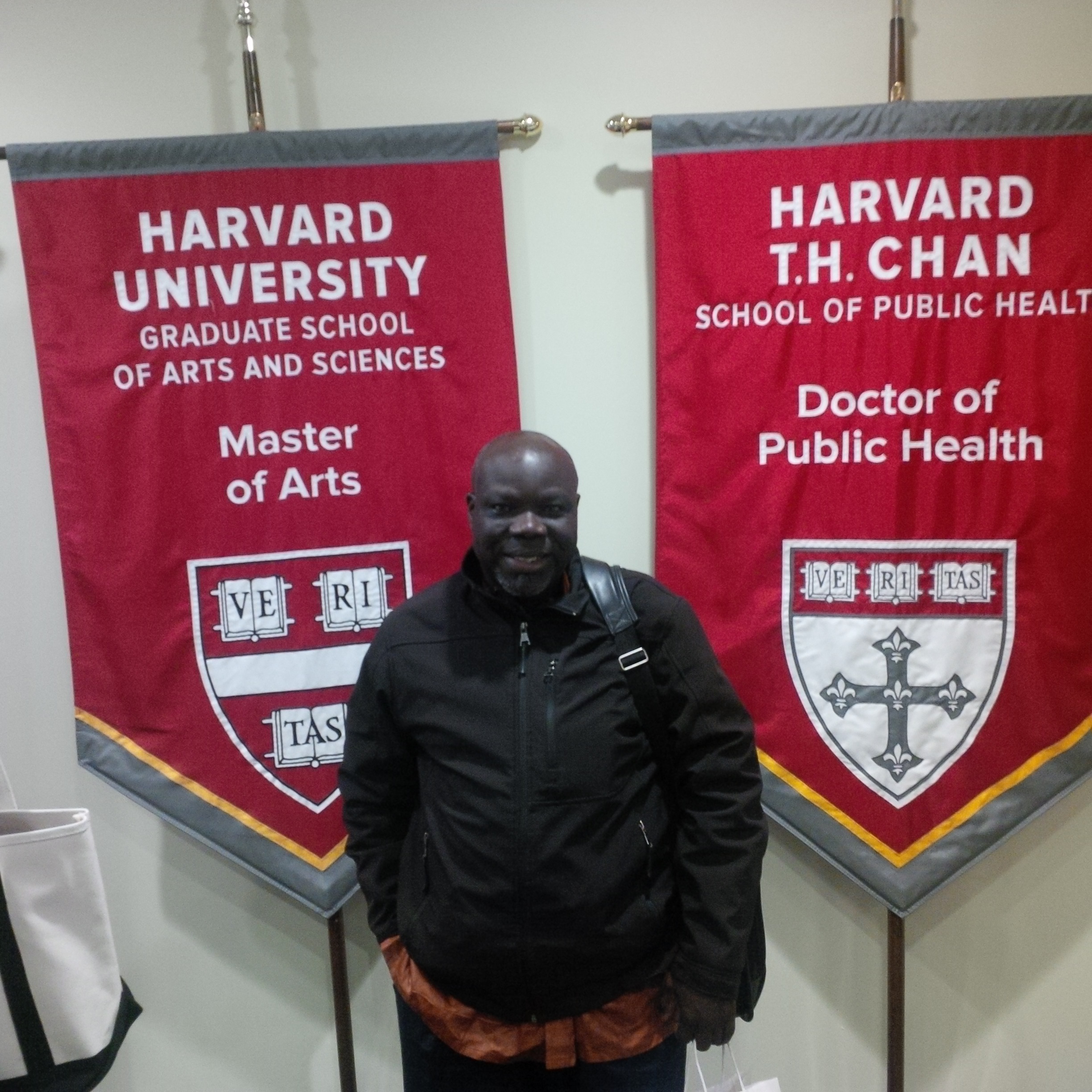
I
feel privileged and thankful for the opportunity provided to me by the Sheela
Basrur Centre and the North Bay Parry Sound District Health Unit to attend the Applied
Risk Communications in the 21st Century course at the Harvard T.H. Chan
School of Public Health in Boston, November 13-16, 2016.
 Within
this course, many aspects of core public health domains were covered. These
domains encompassed a wide variety of topics, including vaccine promotion,
healthy living, eating and exercise, brain injuries (due to sport related
concussions), Vector Borne diseases like Lyme disease, chemical/oil spills and outbreaks
such as, Ebola and SARS, drinking water contamination and natural disasters. We also explored emerging public health issues like Zika
virus.
Within
this course, many aspects of core public health domains were covered. These
domains encompassed a wide variety of topics, including vaccine promotion,
healthy living, eating and exercise, brain injuries (due to sport related
concussions), Vector Borne diseases like Lyme disease, chemical/oil spills and outbreaks
such as, Ebola and SARS, drinking water contamination and natural disasters. We also explored emerging public health issues like Zika
virus.
This
course focused on the ways we, as human beings, function, which was further
explored in the psychological theories outlined in Daniel Kahneman’s book, Thinking, Fast and Slow. Kahneman, a
psychologist and Nobel Prize of Economics winner, outlines two systems of
thinking in his book and explores how these systems interact. System 1 is
automatic, fast, effortless and associative, and conversely, system 2 is slow,
learned/controlled, effortful and rule-based. The role of heuristics
(certainty, controllability, and availability) in influencing systems in
people’s perception of risk was explored further in the course.
Academic
research draws from events that occur in the real world and assesses the way
people function in order to propose theories that help us to understand human
behaviours. The experts featured within the course provided a better
understanding about the interaction between work being conducted in the field
and related research undertaken in the academic sphere. We also explored techniques used to alter
behaviour and the words/statements that influence people when choosing to do or
not to do an action. Tools and setting defaults that can be used to
design effective risk communication messages were presented to the class. These
messages can be used effectively in a variety of situations – from day-to-day
health promotion activities or a public health crisis. The course organizer,
Dr. K. Viswanath, invited two eminent journalists who provided the class with a
better understanding of the role the media plays during a crisis situation.
The
class was comprised of representatives from both government and private
institutions from Australia, Canada, Italy, New Zealand, the United Kingdom,
and the United States. The backgrounds
and levels of experience varied greatly among all the attendees which made for
interesting discussions and perspectives. The group included epidemiologists, medical officers
of health, emergency response coordinators, public health managers, issues
management and crisis communications specialists, public affairs specialists,
scientists, legal advisers, professors and toxicologists. The sectors that were
represented were just as vast and included public health, academia, health
care, environmental, military, natural resources and finance.
I
acquired practical and academic knowledge which will be useful in planning
program activities and implementing them in an effective way. Within my
spectrum of operations at the health unit, the knowledge I acquired is useful
for my day-to-day work and during crises. I will use the skills and techniques I
learned to improve my management duties.
Attending
this course at Harvard University also provided a great opportunity for
networking. I had a discussion with a classmate from
Australia on the way we each respond to Cyanobacteria detection in natural
water bodies. Through this conversation, I was assured that the health unit is responding
in a consistent way. The connections I made during my time at Harvard proved to
be quite valuable. The individuals I became acquainted with through the course are
part of a network of colleagues I can now call on from organizations
like Health Canada, Public Health Agency of Canada, and the Environmental
Health Program at the University of Alberta.
Once
again, I express my gratitude to the Sheela Basrur Centre for granting me this fellowship
and to the North Bay Parry Sound District Health Unit for their unparalleled support.
Patricia’s experience
I am so fortunate to have been chosen to receive the Sheela Basrur Centre’s 2016 Don Low Communications Fellowship. With this opportunity, I enrolled in the Harvard School of Public Health’s Applied Risk Communication for the 21st Century and flew to Boston in November. There, I was amazed that this was actually a program that is highly sought after globally and thus I met some remarkable attendees from Australia, New Zealand, Italy and England.
 The program was taught by Harvard University professors who have an extensive breadth of knowledge and experiences, including global research and authorship and advising US Presidents! We had intensive classes on social media, crisis leadership , concussion management, decision making, the role of emotion in crisis and risk management, emotional intelligence and a workshop that particularly struck a chord with me, “performance decrements to multi-tasking”!
The course included high level lectures, group work, role play, real case scenarios, research results and hands on activity. But most of all, the networking and fellowship opportunities were priceless. I learned so much from this program, that I am confident that my work performance will be enhanced with the knowledge and enthusiasm that I was able to gain there. I highly recommend this executive program and sincerely thank the Sheela Basrur Centre for this exceptional opportunity.