Congratulations to the 2015 Student Travel Bursary Recipients
Katherine Nunes and Annie Liang
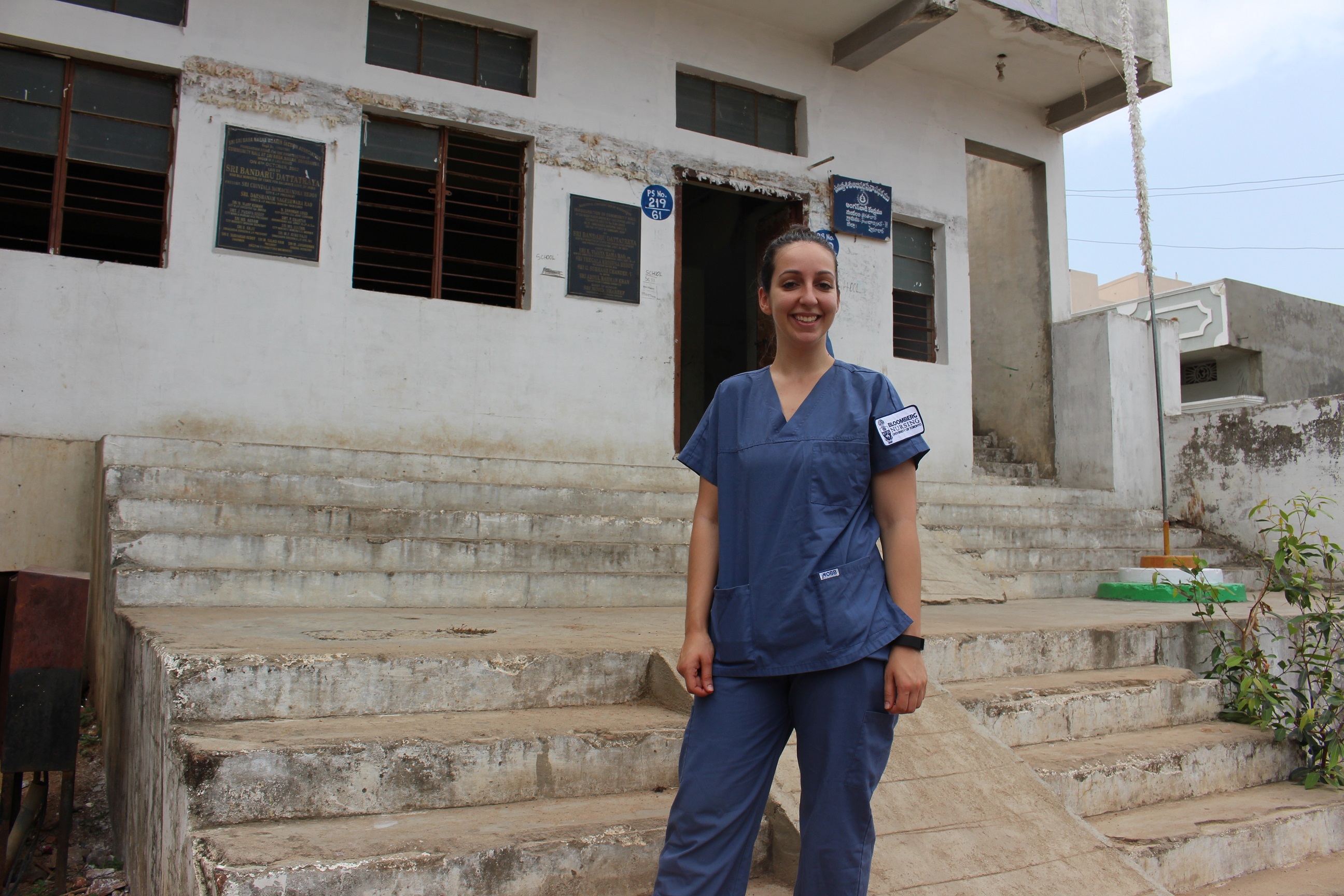
"I am really inspired by the ingenuity and motivation behind the many public health endeavours I witnessed in India, and I have gained a new appreciation for the access to resources we have in Canada." - Katherine Nunes
University of Toronto nursing
student, Katherine Nunes, completed a four week practicum in India this summer
at the Catholic Health Association of India (CHAI). Katherine’s clinical
placement focused on primary health principals in both urban and rural settings,
in addition to learning how the HIV/AIDS epidemic is being fought in India.
Highlights from Katherine’s journey
working abroad are detailed in her travel log below.
Katherine’s experience
Thanks to the Sheela Basrur Student
Travel Bursary, I took part in a four week interactive clinical placement in
India, learning about the delivery of primary health care services. The Global
Health Nursing course was a very positive learning experience through my
clinical placements, as well as through my informal interactions with patients,
health care workers, students and community members.
Critical Perspectives in Global
Health Nursing is an elective practicum offered by the University of Toronto’s
Bloomberg Faculty of Nursing in partnership with the Catholic Health
Association of India. I applied for, interviewed, and was chosen as one of ten
students to participate in this course. The goal of the course is to facilitate
an understanding of global health issues such as the social determinants of
health in resource-constrained areas. I was required to engage in constant
reflexivity through weekly blog posts. I used post-colonial feminism as a
theoretical framework to analyze my experiences. My clinical placements were
centred on primary health care delivery in rural and urban settings around the
city of Hyderabad, India. The CHAI is a non-governmental organization that has
an impressive network of over 3400 member institutions, delivering health care
across the country.
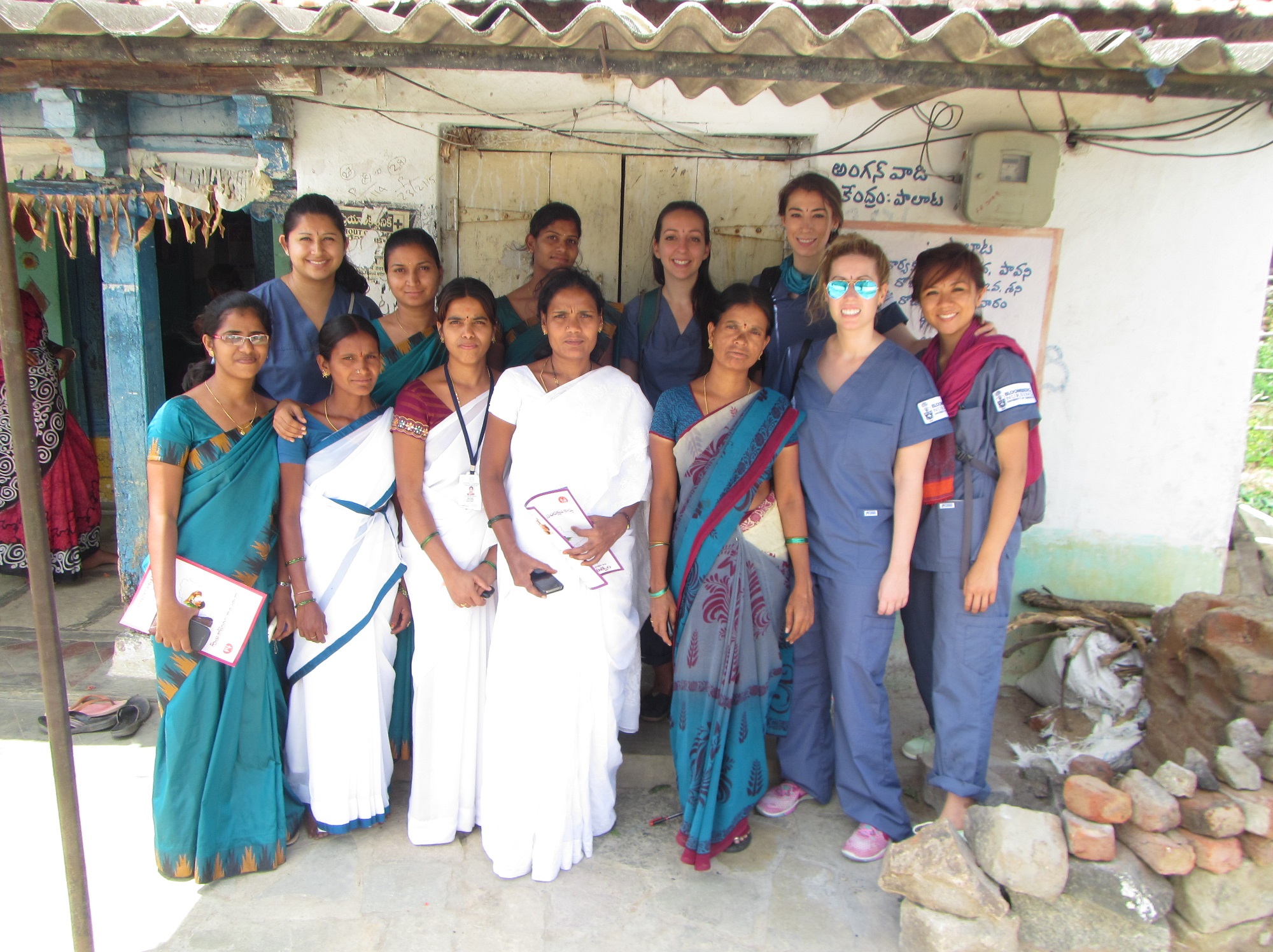 Primary health care in rural and urban communities
The initial portion of the four
week course focused on the differences between primary health care delivery in rural
and urban populations. We travelled outside of Hyderabad to the rural community
of Borabanda. Immediately, the contrast between rural and urban living was
evident. Rural communities have more space, less air pollution and less garbage
than their urban counterparts. Homes are bigger and less crowded, and people
have space to grow their own food. While these rural aspects improve health, we
also witnessed some of the challenges of rural health care delivery. These
include a lack of resources (both human and material resources are concentrated
in urban areas with larger populations), high maternal and infant morbidity due
to lack of delivery facilities and a tradition of home births, unemployment and
lack of education around health issues and health maintenance strategies.
While resources were scarce, I
thought the level of communication and the distribution of materials and
services was quite impressive. Primary Health Care Centres monitor the health
status of the community, and based on community statistics, anticipate and
stock necessary medicines, dressings, etc. Rural communities benefit from home
visits from Accredited Social Health Activist (ASHA) workers - trusted members
of the community who do daily outreach work. The bulk of their work is encouraging
prenatal visits for expecting mothers and encouraging family planning
strategies. Completing home visits and seeing ASHA workers bring people into
the rural health centres was an inspirational and memorable part of my course.
The amount of attention and dedication to home care and outreach is something I
will take forward into my nursing practice.
The urban portion of the rotation
took part in the numerous neighbourhoods and districts of Hyderabad. Visits to
urban slums and schools offered a glaring look at the poor environmental
conditions that negatively affect the health of those living there. When
numerous families relocate to cities in search of work, the overcrowding leads
to the development of slums. Entire communities spring forth from the human
tenacity to succeed and provide for themselves. In the urban setting, home
visits were less prevalent, and more outpatient clinics were implemented.
Community participation was rallied through festivals and parades. This worked
well in the population-dense urban centres where government health facilities
were more numerous and closer to one another, making teamwork and coordination possible
for large public health festivities.
While completing our rural and
urban placements, we were taught by Masters of Nursing students and professors
about the various initiatives the government had established to combat some of
India’s more gaping health issues. Government schools provide lunch to students
to combat malnutrition and to improve education enrolment. The Midday Meal
Programme provides one third of the children’s daily energy requirements and
half of their daily protein requirements. I was impressed by how many
government programs are implemented through the public school system and I was
glad to see and hear from families that they are well received.
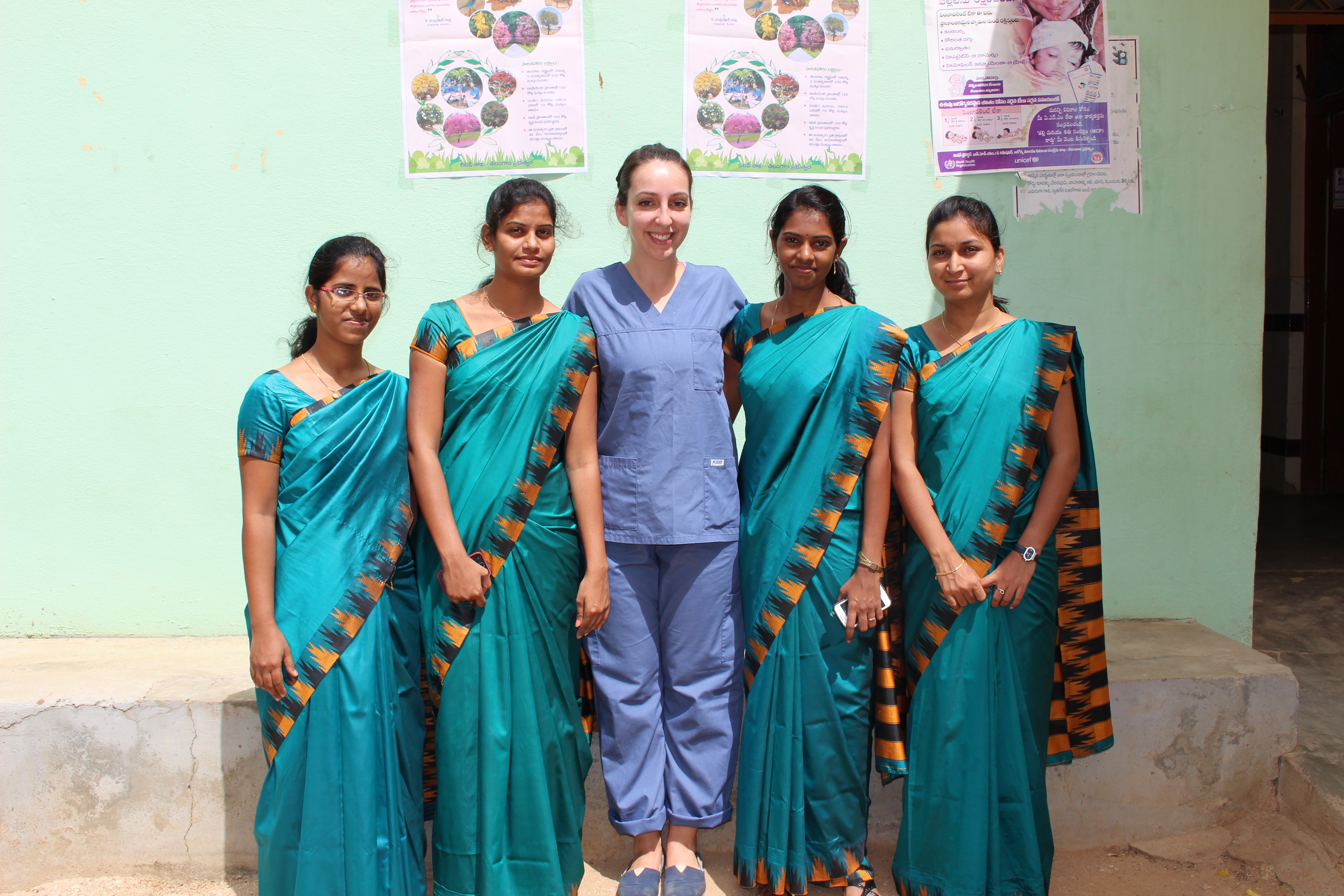 India is the second most populated
country in the world, so another issue the government is grappling with is
overpopulation. Many programs implemented through the Family Welfare Services
department focus on family planning. Health care providers help married couples
begin family planning by discussing contraceptives, spacing between births and
suggestions to keep families small (1-2 children). However, while I thought that
many of the government programs met a need and I was glad to see that their
implementation and uptake was successful, I couldn’t help but feel that they
were insufficient solutions to a larger problem. I felt that government
initiatives that worked on a wider scale to remedy broader social determinants
of health, would be an upstream solution that would remedy or improve many
downstream health problems.
India is the second most populated
country in the world, so another issue the government is grappling with is
overpopulation. Many programs implemented through the Family Welfare Services
department focus on family planning. Health care providers help married couples
begin family planning by discussing contraceptives, spacing between births and
suggestions to keep families small (1-2 children). However, while I thought that
many of the government programs met a need and I was glad to see that their
implementation and uptake was successful, I couldn’t help but feel that they
were insufficient solutions to a larger problem. I felt that government
initiatives that worked on a wider scale to remedy broader social determinants
of health, would be an upstream solution that would remedy or improve many
downstream health problems.
HIV facilities in India
At the end of the rural and urban
placements, our group compared our experiences in a presentation at the J.M.J.
Nursing College. We included a look at the Canadian health care system, both
rural and urban. Additional placements included an HIV Holistic Care Centre and
the Karunapuram HIV Centre that houses children with HIV, many of whom were
orphaned. These facilities had amazing nurses and staff that cared for patients
and their families, in addition to providing patients with jobs and educational
opportunities. Both of these facilities were remotely located because of the
intense stigma around HIV. Many people with HIV cannot receive medical aid from
public and private hospitals because the stigma is so engrained in their society.
Interacting with the staff and patients at these facilities, especially the
children of Karunapuram, was a very memorable part of my course, on both a
professional and a personal level.
The final days of my placement
allowed me to see varying levels of private hospitals. Comparing these private
hospitals to government health facilities was yet another stark reminder of the
growing division of wealth in India and the related growing health disparities.
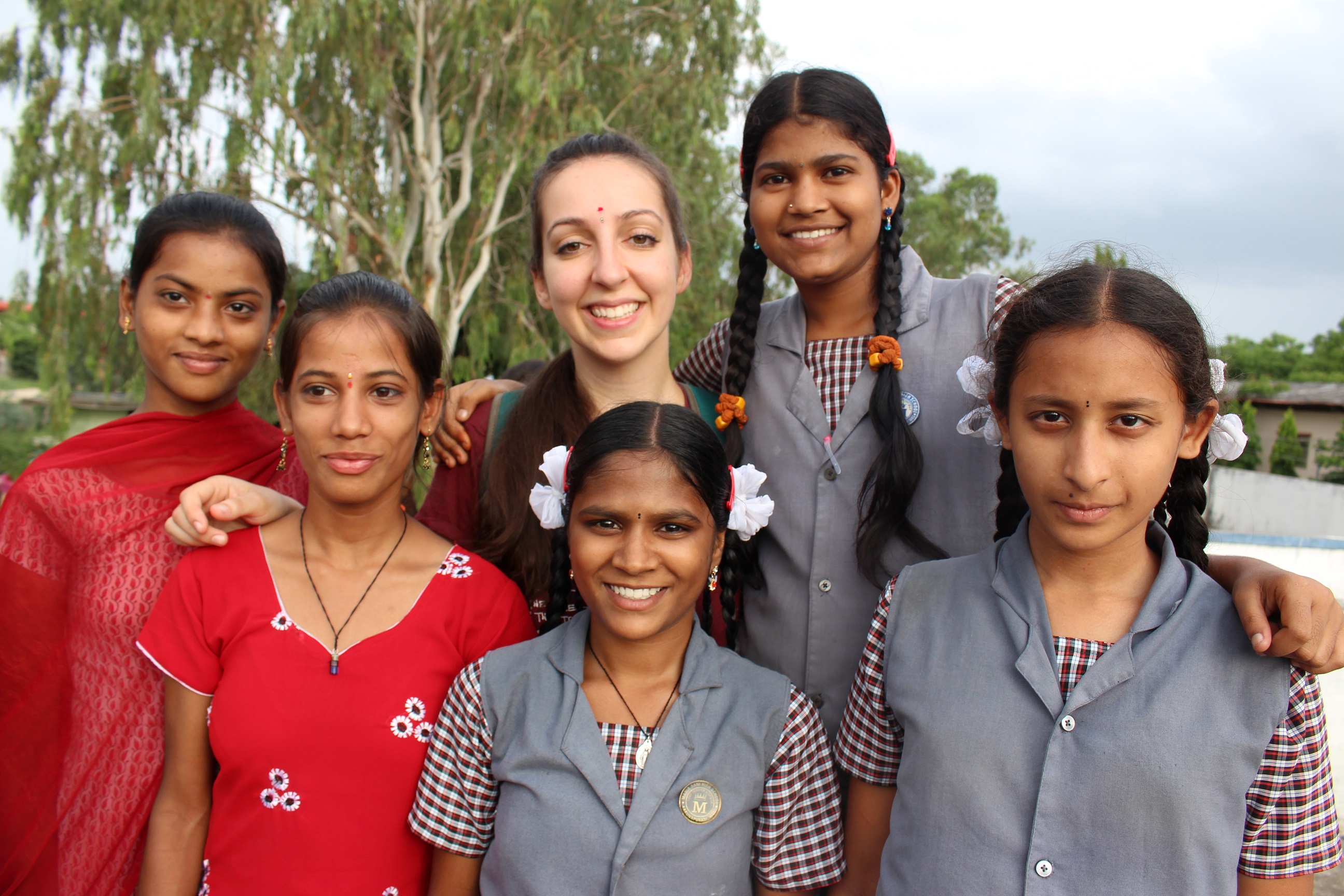 Personal reflections
This four week course was a life
changing experience. I have gained a deeper appreciation for public health,
nursing and global collaboration. This placement has reinforced my drive to
pursue a career in public health, and in particular to focus on rural and
remote communities in Canada. I am really inspired by the ingenuity and
motivation behind the many public health endeavours I witnessed in India, and I
have gained a new appreciation for the access to resources we have in Canada. I
am sincerely grateful to have received the Sheela Basrur Student Travel Bursary,
without which I would not have been able to pursue this opportunity!
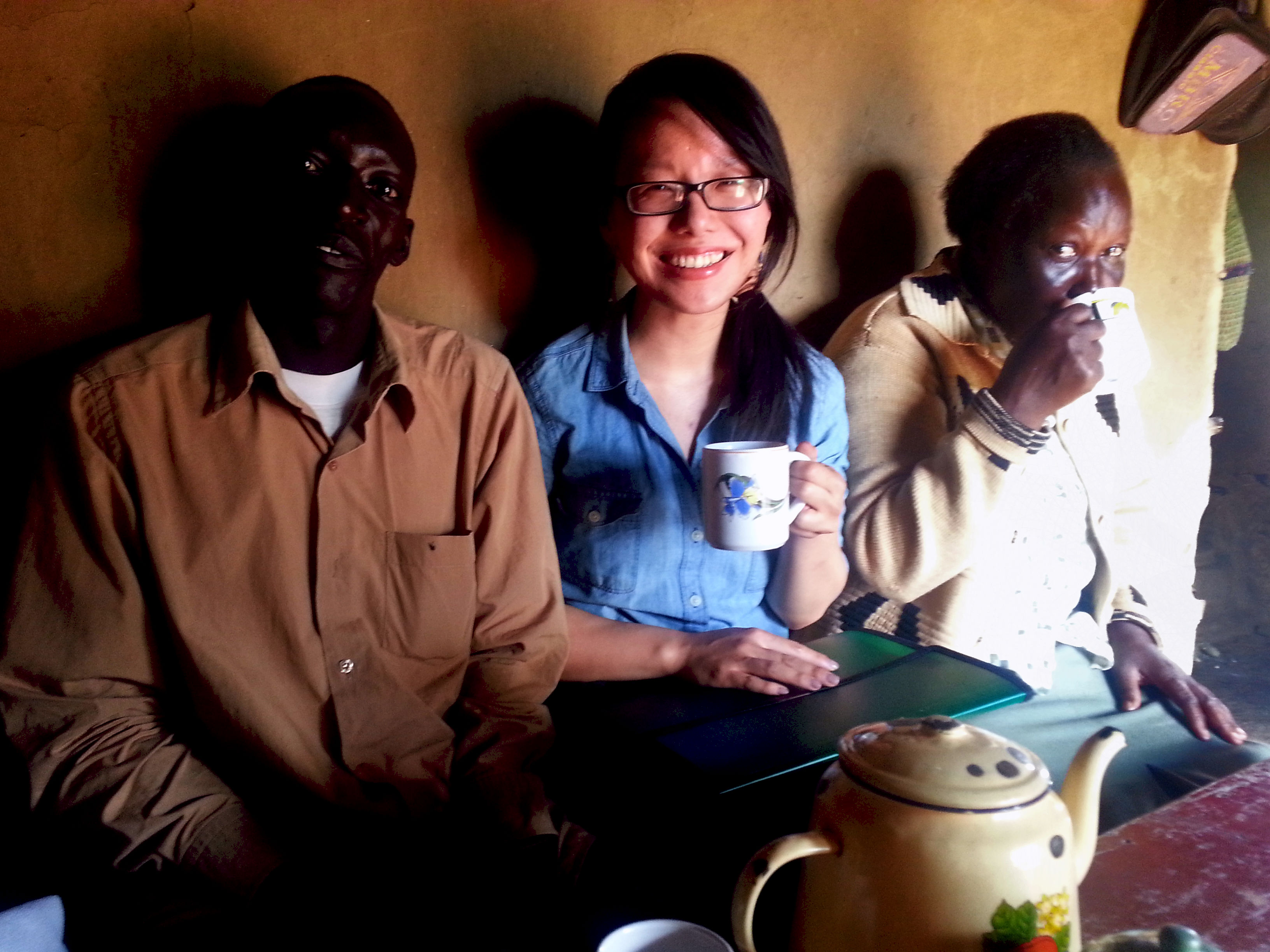
"The past eight months have been one of the most transformative experiences of my studies. This journey has emphasized to me the importance of community engagement in program implementation and systems-based approaches to tackling public health challenges."
- Annie Liang
As part of her Master of Public Health
(Epidemiology – Global Health Emphasis) at the University of Toronto, Annie
Liang undertook an eight month practicum placement with the Orphaned and Separated Children’s Assessment
Related (OSCAR) to their Health and Well-Being study, a 10 year
longitudinal study affiliated with the Moi Teaching and Referral Hospital in
Eldoret, Kenya.
The
OSCAR study follows a cohort of orphaned and separated children situated in
households, Charitable Children’s Institutions, and the streets in the Uasin
Gishu county of western Kenya. OSCAR seeks to improve the health and well-being
of orphaned and separated children in the catchment area by attempting to
better understand the effects of different domestic care environments through
standardized site assessments, annual medical examinations and psychosocial
assessments.
Highlights from Annie's journey working abroad are detailed in her travel log below.
Annie’s experience
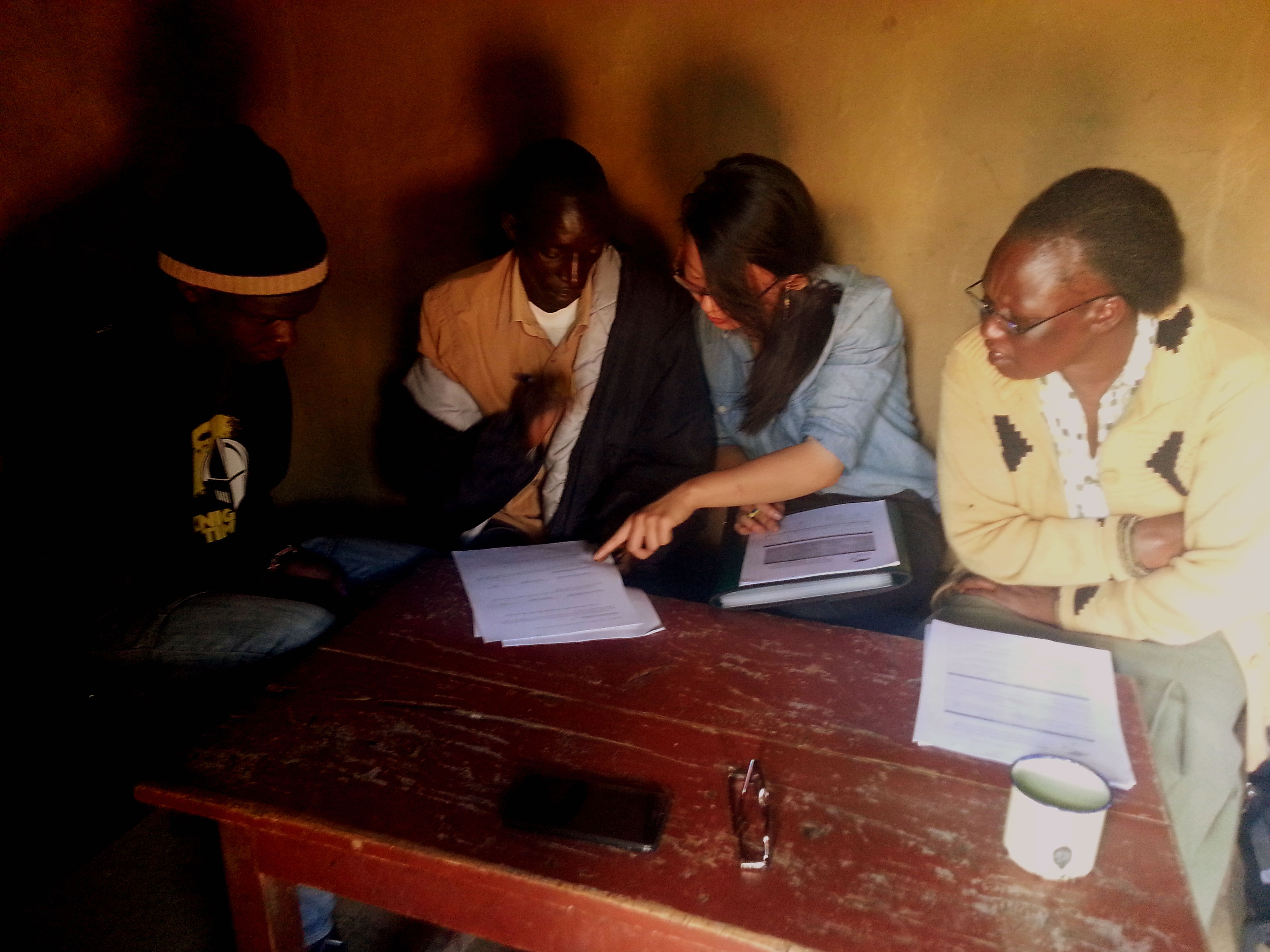 During
my practicum, I was based in the Uasin Gishu (UG) county of western Kenya; a
largely agricultural region located about 330 kilometres northwest of Nairobi. The
majority of the UG county population (61.4%) lives in rural settings, and
approximately 51.3% of the population lives below the Kenyan poverty line.¹
My
research investigates how government cash transfer programs to households
caring for orphaned and vulnerable children (OVCs) affect the psychological
well-being of this vulnerable population. There are an estimated 2.5 million
orphaned and vulnerable children in Kenya, half of whom have been orphaned as a
result of the HIV/AIDs epidemic.² A majority of orphaned children live in
extreme poverty in households with limited means and a high number of other
children dependents. Within Kenya, it is estimated that only 4.1% of OVCs
reported receiving psychological support in 2012.³ Mental health problems are
estimated to affect 10%–20% of children and adolescents worldwide, and remain
one of the leading causes of health-related disability in low and middle-income
countries.⁴
During
my practicum, I was based in the Uasin Gishu (UG) county of western Kenya; a
largely agricultural region located about 330 kilometres northwest of Nairobi. The
majority of the UG county population (61.4%) lives in rural settings, and
approximately 51.3% of the population lives below the Kenyan poverty line.¹
My
research investigates how government cash transfer programs to households
caring for orphaned and vulnerable children (OVCs) affect the psychological
well-being of this vulnerable population. There are an estimated 2.5 million
orphaned and vulnerable children in Kenya, half of whom have been orphaned as a
result of the HIV/AIDs epidemic.² A majority of orphaned children live in
extreme poverty in households with limited means and a high number of other
children dependents. Within Kenya, it is estimated that only 4.1% of OVCs
reported receiving psychological support in 2012.³ Mental health problems are
estimated to affect 10%–20% of children and adolescents worldwide, and remain
one of the leading causes of health-related disability in low and middle-income
countries.⁴
My role
My research
is comprised of an original sub-study within the longitudinal OSCAR cohort
study. My role was to carry out the sub-study from conceptualization to
implementation. I wrote the research protocol for the sub-study, created the
survey instruments for data collection, drafted the consent/assent forms and
obtained joint Research Ethics Board approval from both the affiliated Kenyan
and Canadian institutions. I then travelled to Kenya to implement and monitor
the data collection aspect of the research.
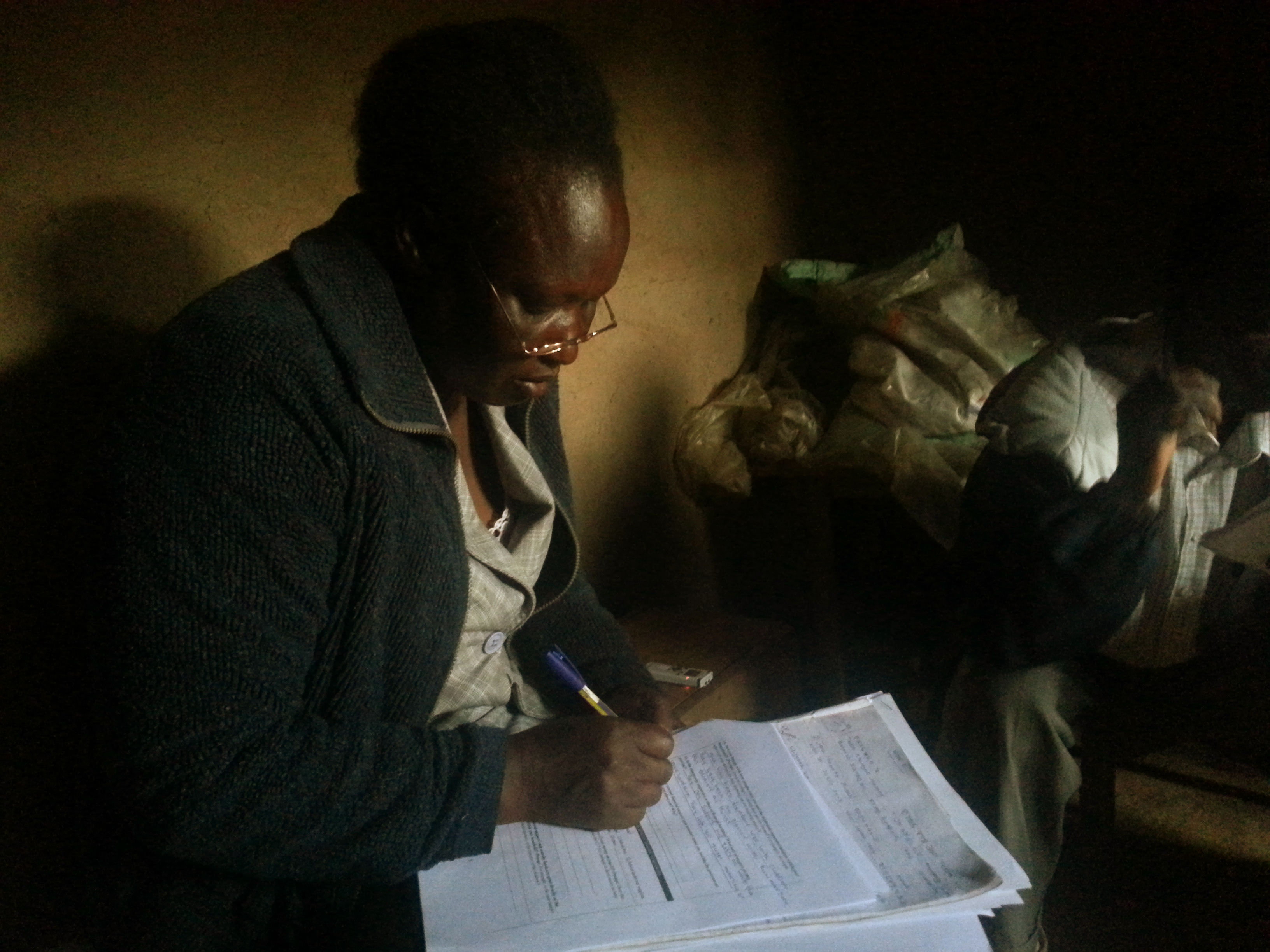 My study
design included the recruitment of 60 orphaned adolescents and 30 caregivers
for in-depth interviews, dichotomized between households receiving and households
not receiving governmental cash transfers. The interview explored how
government cash transfers and other forms of financial assistance affected the
adolescent-caregiver relationship, and how domains such as baseline
demographics, levels of social support, resilience against economic stressors
and the future outlook of individuals affected the psychological well-being of
orphans. While in Kenya, I worked closely with local community health workers
(CHWs) to pilot test the survey instruments and establish the sampling framework.
With the assistance of a local research coordinator, I coordinated the field
logistics of data collection, conducted home visits with CHWs, did troubleshooting
with issues in the field, and worked to ensure consistency in data quality.
My study
design included the recruitment of 60 orphaned adolescents and 30 caregivers
for in-depth interviews, dichotomized between households receiving and households
not receiving governmental cash transfers. The interview explored how
government cash transfers and other forms of financial assistance affected the
adolescent-caregiver relationship, and how domains such as baseline
demographics, levels of social support, resilience against economic stressors
and the future outlook of individuals affected the psychological well-being of
orphans. While in Kenya, I worked closely with local community health workers
(CHWs) to pilot test the survey instruments and establish the sampling framework.
With the assistance of a local research coordinator, I coordinated the field
logistics of data collection, conducted home visits with CHWs, did troubleshooting
with issues in the field, and worked to ensure consistency in data quality.
My field placement provided
me with an intimate view into the everyday lives and struggles of the urban and
rural poor. Working closely with outreach workers from the OSCAR clinic, I shadowed
local outreach workers on their rounds. I saw entire worlds emerge that are hidden
in the dark crevices between buildings. My research allowed me to establish and
maintain links with community leaders, obtaining a better understanding of
cultural barriers and past events that currently shape Kenya’s current
political climate. I met elders caring for orphans who had rebuilt their
dwellings out of the plastic tarps from United Nations Refugee Agency refugee
tents. They had lost everything during the 2007–2008 post-electoral violence in
Kenya. I met grandmothers who had been denied education proudly showing off the
school notebooks of their grandchildren . I learned that poverty heavily
impacts the self-confidence of those affected by it. This provided a new perspective on the challenges
of participant engagement and survey administration in low-resource settings.
Personal reflections
The
past eight months have been one of the most transformative experiences of my studies.
This journey has emphasized to me the importance of community engagement in
program implementation and systems-based approaches to tackling public health
challenges. The long, informal conversations I’ve had with my colleagues
provided insight on the challenges of navigating the public policy landscape. I
heard first-hand accounts of the repercussions of corruption, staff shortages,
and low morale in health care professionals. Through my field visits with my
CHWs, I had the opportunity to visit households in both the peri-urban and
rural regions of Kenya and attend community barazas
(gatherings). The accounts by my study participants highlighted harrowing
stories of poverty, stigmatization, and resilience, showcasing the impact of
how social determinants of health and embedded systemic inequalities can
cumulate across the life course. It was humbling to see the strength of those
who had absolutely nothing exhibit such generosity by welcoming me into their
homes.
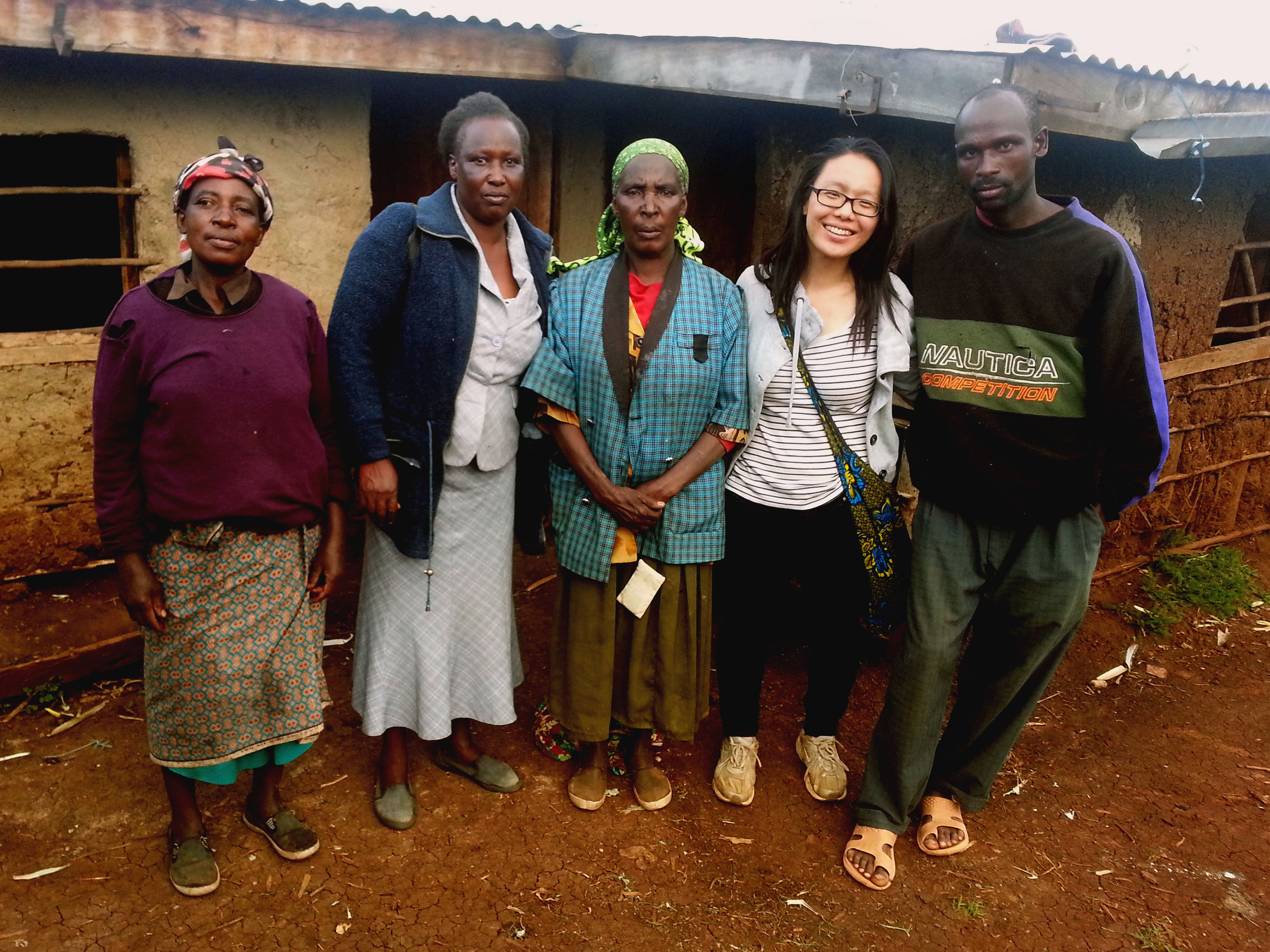 It was
inspiring to work in such a collaborative environment with many other
researchers and students from North American universities. Many of these
researchers had first come to Kenya as students, as I did, but have returned
year after year. They have dedicated their lives to working collaboratively
with Kenyan institutions to advance the health and well-being of all. The
researchers have provided me with valuable case studies about how global health
research can be conducted in an equitable, sustainable matter. This has inspired
me to pursue a career in international public health (with an emphasis on
economic empowerment of marginalized communities).
It was
inspiring to work in such a collaborative environment with many other
researchers and students from North American universities. Many of these
researchers had first come to Kenya as students, as I did, but have returned
year after year. They have dedicated their lives to working collaboratively
with Kenyan institutions to advance the health and well-being of all. The
researchers have provided me with valuable case studies about how global health
research can be conducted in an equitable, sustainable matter. This has inspired
me to pursue a career in international public health (with an emphasis on
economic empowerment of marginalized communities).
My fieldwork
practicum placement in Kenya allowed me to explore advocacy opportunities in a region
that I would not otherwise have been able to explore. While in Kenya, I worked
closely with youth activists to host the first OpenCon Nairobi, a conference
dedicated to advancing open access in context of Kenya’s Vision 2030 agenda. Furthermore, I worked pro bono
on a trisector public private partnership, exploring ways to ensure consistent
supply and distribution chains for medical oxygen to rural clinics in Kenya and
Rwanda. By engaging local entrepreneurs, we worked toward a system that could
create entire livelihoods out of reducing maternal and infant mortality. I
would not have been able to conduct my research and explore additional opportunities
without the generous support of the Sheela Basrur Centre.
Reference list
1. Government of Kenya. (2010). Demographic and Health Survey. 2008–2009.
Retrieved from http://dhsprogram.com/pubs/pdf/fr229/fr229.pdf.
2. National AIDS Control Council
of Kenya & Population, 2009.
3. Goodman, M. L. (2014). Impact assessment of a community-based
orphan and vulnerable children empowerment program in semi-rural Kenya. (Doctoral
dissertation). Retrieved from ProQuest LLC. (UMI 3639421).
4. Kieling, C., Baker-Henningham,
H., Belfer, M., Conti, G., Ertem, I., Omigbodun, O., ... & Rahman, A.
(2011). Child and adolescent mental health worldwide: evidence for action. The Lancet, 378(9801), 1515-1525.